
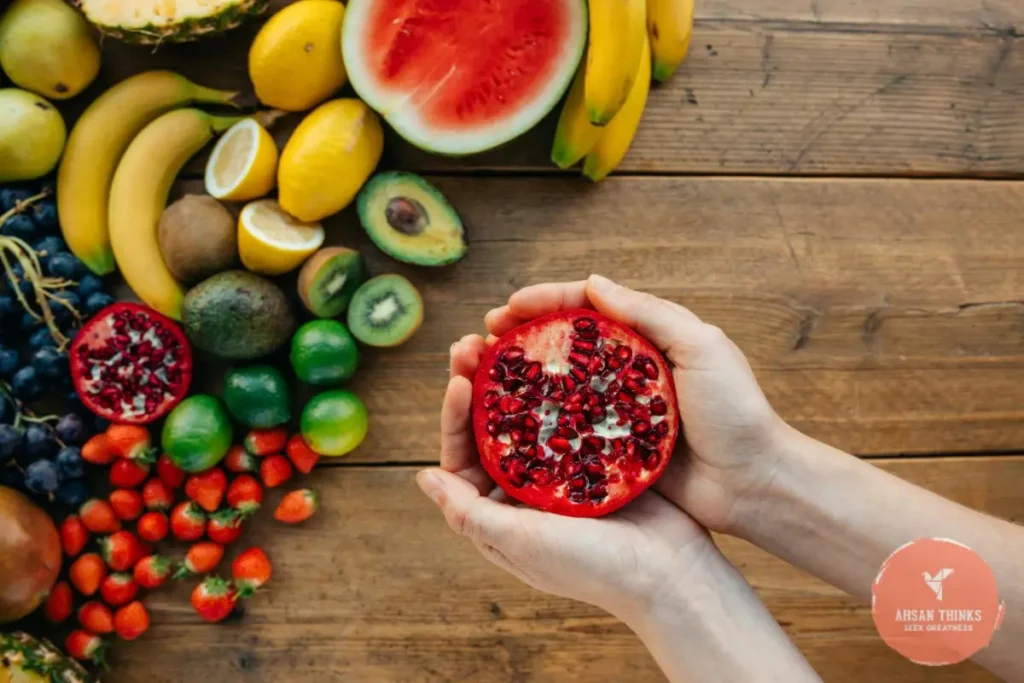
Making little changes to your eating pattern can help you stay healthy.
I am going to tell you about some good nutritionist foods that help you make healthy food and drink choices. Eating healthy can help you reduce the risk of heart disease, stroke, and other diseases.
Eating healthy is not hard and doesn’t require you to give up all of the food you love. It is easy, affordable, and delicious.
Tips On Adopting A Healthy Eating Style
Best Diet Habits
- Fruits and vegetables have vitamins and minerals that benefit you. Add half of your plate with them, or chop them and add them to many dishes. These are the best replacements for less healthy foods, such as chips or fries.
- Whole grains are rich in dietary fiber and can help reduce cholesterol and improve heart health.
- Beans or legumes and other plant-based proteins help reduce your risk of heart disease and also help with weight loss. Try adding beans such as kidney, pinto, or black to your dishes to increase fiber and protein in your meals. Soy milk, tofu, and lentils are also great picks.
- Nuts are best for your brain and heart health. It includes almonds, walnuts, pistachios, pecans, and hazelnuts, which contain healthy fats, proteins, and nutrients for your body.
- Fish like cod, trout, herring, mackerel, and yellowfin tuna are rich in Omega-3 fatty acids that support your brain and heart health. These should be eaten twice a week as a replacement for fatty meats.
- Lean meat from chicken, turkey, and beef is a rich source of protein, and these sources are also important for obtaining B vitamins and iron. Don’t forget to trim visible fat from the meat.
- Dairy foods and dairy alternatives that include low-fat and fat-free milk, cheese, and yogurt are a real source of calcium and vitamin D. These keep your heart and bones healthy.
- Healthy fats, in some cooking oils, are better than solid fats, such as those in butter or in tropical oils like coconut oil. Healthy fats can help lower your cholesterol when used instead of less healthy fats. They are better for your heart.
- Seasoning your meals using salt-free spices and herbs like cilantro. Oregano and garlic can help support your heart health. Herbs and spices, whether dried or fresh, are the best substitutes for salt.
Your Eating Habits Define Your Health
- Choose wisely, the ingredients and nutrient content in healthier foods can vary.
- Read labels when buying food products, check nutrition facts labels on products, and select food products with the lowest amount of added sugars, no trans fat, saturated fat, sodium, and no partially hydrogenated oils.
- Eat a reasonable portion; often it is usually less than what is served when eating out.
- Cook and eat at home, you’ll have more control over nutrients and preparation procedures.