
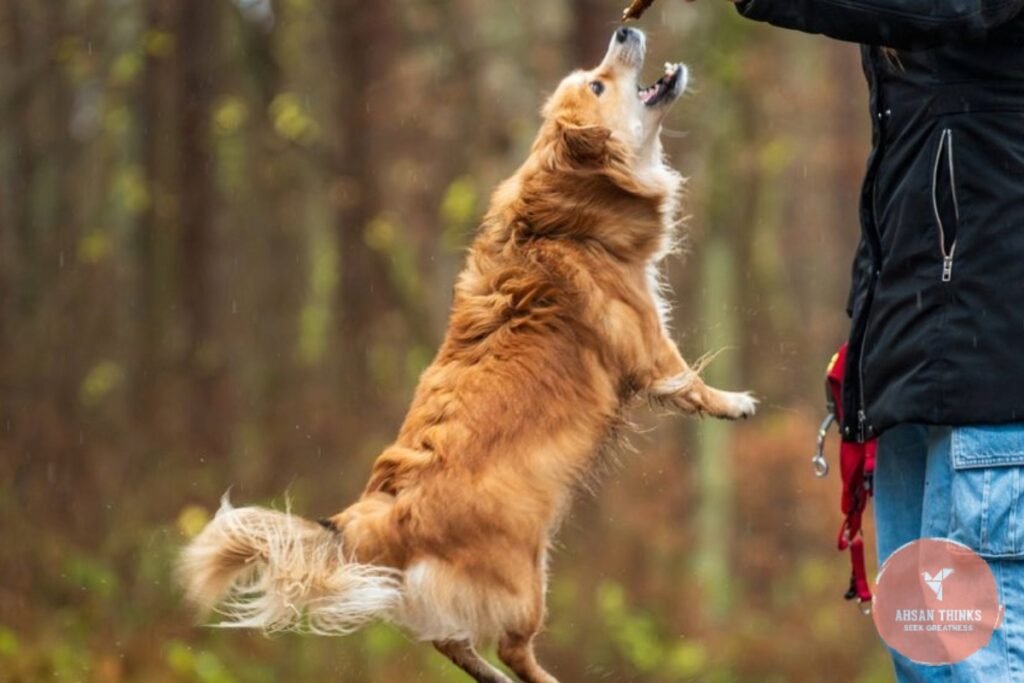
Every pet owner has faced the chewed shoe, the midnight barking, or the cat who ignores every rule in the house. The good news is that most of these problems are fixable with patience and a clear plan.
Effective pet training starts with understanding how animals learn, and it works best when the whole household follows the same approach.
Why Training Matters More Than You Think
A trained animal is a safer, calmer, and happier one. Clear boundaries reduce anxiety, prevent accidents, and strengthen the bond between you and your companion. Training also gives your pet mental exercise, which is often the missing piece when an animal seems restless or destructive. Whether you have a new kitten or a rescue dog with a past, learning the basics pays off for years.
Build a Foundation at Home
Consistency beats intensity. Short sessions of five to ten minutes, once or twice a day, work far better than one long weekend.Reward the behavior you want the moment it happens, using treats, praise, or a favorite toy, so your pet connects the action with the outcome.
Most trainers agree that positive reinforcement is the most reliable method. For everyday dog training, that means rewarding a calm sit rather than scolding a jump. Use the same cue words every time, and make sure every family member does too. Mixed signals are the most common reason a pet seems “stubborn.”
Cats respond to the same principles, though they are more independent and motivated by different rewards. Food, play, and patience go a long way. If your cat is struggling with scratching, litter habits, or aggression, a qualified cat trainer can offer strategies suited to feline behavior.
Know When to Bring in Professional Help
Some goals are easier to reach with expert guidance. Structured pet training classes give animals a chance to practice around distractions and give owners hands-on coaching. When comparing options, check the instructor’s credentials, ask about their methods, and observe a session if you can. Class size matters too, since smaller groups usually mean more attention for each animal.
If you have a young dog, puppy training classes are a smart early investment. The first few months are a key window for socialization, and good habits formed now are much easier to keep than bad ones are to undo.
Choosing the Right Program for Specialized Goals
Some owners need more than good manners. Service dog training is a demanding process that prepares an animal to assist someone with a disability, and it typically takes many months or even years. Look for reputable programs that are transparent about their methods, timelines, and costs, and be wary of anyone who guarantees quick certification.
Before you commit to any program, write down what you want your pet to learn, how much time you can realistically give, and what your budget looks like. Book a trial session or consultation first, and choose the trainer whose style fits both you and your animal.
FAQs
- What is the best age to start training?
Basic lessons can begin as soon as a pet settles into your home. Puppies and kittens are especially receptive at eight to twelve weeks, though older animals can learn too. - How long does it take to see results?
Simple cues often click within a couple of weeks of daily practice. Complex behaviors may take several months. - Is punishment ever effective?
Research generally favors reward based methods, since harsh corrections can create fear and damage trust. - Can I train my pet without a professional?
Yes, for basic obedience. A professional becomes valuable when you face aggression, severe anxiety, or specialized goals. - Do cats really respond to training?
They do. Cats learn quickly when the reward is meaningful and the sessions are short and playful.